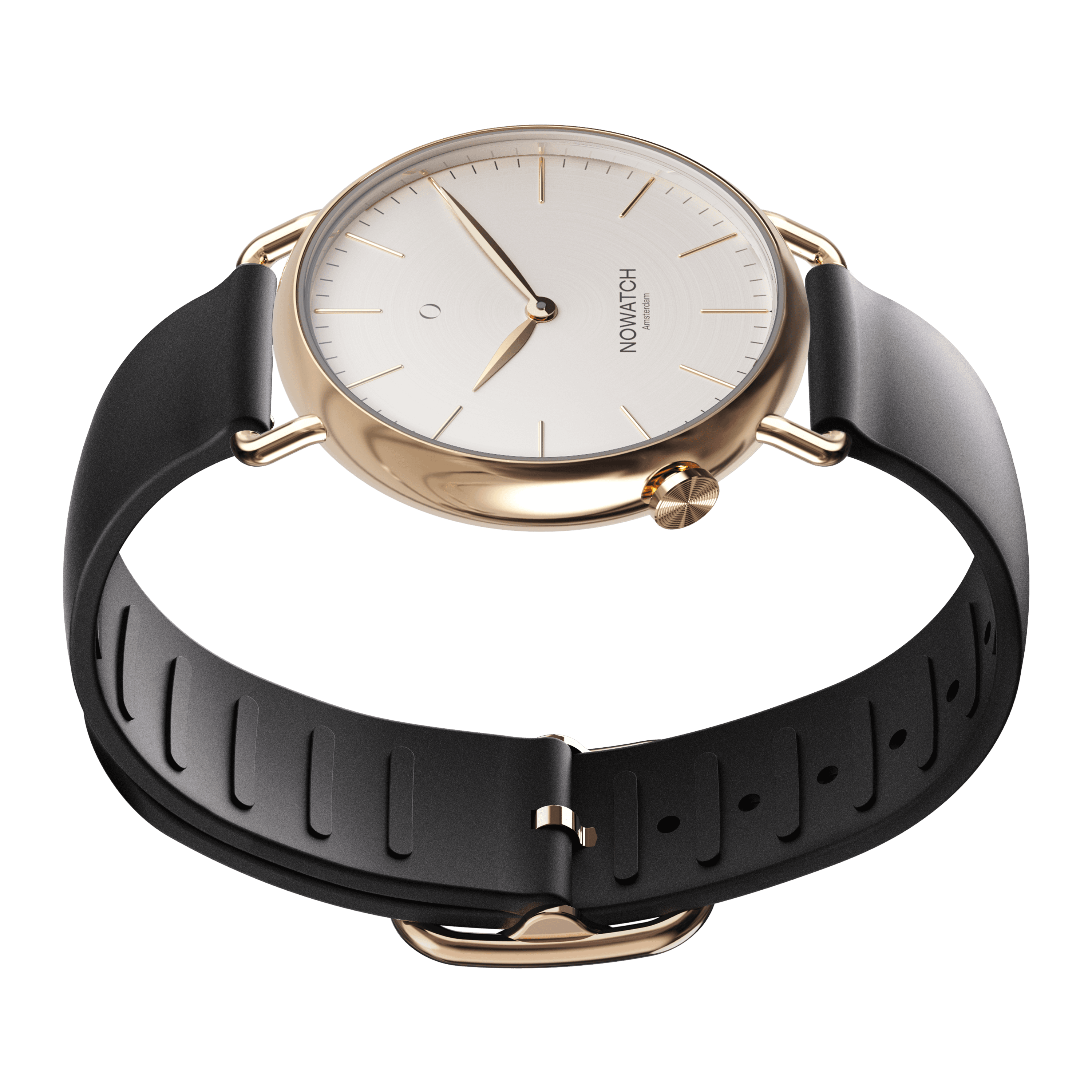
Noticed your HRV is lower than usual? Should you be worried?
If you’ve had a late—or boozy—night, been more stressed than usual, or hit the gym one too many times lately, the answer is: Probably not.
HRV, which stands for Heart Rate Variability, refers to the tiny changes in your heart rate that occur between heartbeats.
It reflects the state of your autonomic nervous system (ANS) and how responsive your body is in switching between the sympathetic nervous system (SNS, or “fight or flight” response) and the parasympathetic nervous system (PNS, or “rest and digest” response).
Fluctuations in HRV are normal, and even people who are fit and healthy have lower-than-usual HRV from time to time.
So what’s normal—and when should you worry? Read on to find out.
What is HRV—and Why Does It Matter?
Put simply, HRV is a reflection of how well your body adapts to stress. A healthy heart responds to life’s ups and downs by varying the rhythm between heartbeats.
These variations are too tiny for you to notice (a matter of milliseconds), and they reflect the state of your nervous system and how flexible your body is in responding to life’s daily stressors.
Think of HRV as a window into your body's stress response. When it's higher, your nervous system has room to flex—to activate when needed and truly rest when it's time. When it's lower, you're running closer to your limits, with less capacity to absorb the next stressor.
This is why HRV matters: it can tell you when you're recovered and ready to push, or when your body needs you to ease off—often before you consciously feel it. Over time, tracking these patterns helps you work with your body's rhythms instead of pushing through them.
Is It Normal for HRV to Be Low?
In short: Yes, a low HRV is “normal”, and is usually nothing to worry about.
“People think there’s a universal ‘good number’ for HRV, but there isn’t”, explains Joana De Calheiros Velozo, Chief Science and Product Officer at Polsen Health. “A ‘low’ HRV for one person may be completely normal for another”.
So a single low HRV reading isn’t a reason to panic—HRV fluctuates significantly day to day in response to stressors like alcohol, illness, , , , and .
“A low reading on one morning is noise”, says Joana. “What you should really focus on is your own baseline, and whether your trend is stable, improving, or declining over weeks and months.” If you notice an ongoing downward trend, it might be a sign of an underlying problem.
When looking at long-term HRV trends, context matters: to see meaningful patterns, you need to measure in the same conditions—same time, same posture, and the same state of mind—every day.
That’s why most wearables estimate HRV from night‑time recordings, since that time is usually quiet, lying‑down, and free of major daily stressors, making it a reliable way to track your baseline autonomic tone.
Movement and daily activities distort HRV signals, so rather than tracking continuously throughout the day, most apps and studies look at daily values. Continuous HRV tracking is only reliable and useful under controlled conditions.
That's why Polsen Health takes a different approach: it calculates your HRV from nighttime data when conditions are stable, but tracks stress during the day using heart rate and other biomarkers that remain accurate even when you're moving.
When Should You Worry About Low HRV?
Most of the time, lower-than-usual HRV isn’t something to worry about. “Having low HRV is a signal, not a diagnosis. It points to where to look, not what’s wrong”, explains Joana.
Single low readings following poor sleep, alcohol, illness, intense exercise, or during the luteal phase are “expected and transient”, she says.
But a sustained decline over three or more weeks without an obvious lifestyle explanation is worth monitoring—particularly if accompanied by persistent fatigue, difficulty recovering from exercise, elevated resting heart rate, or mood changes.
If the low HRV trend persists, along with symptoms like irregular cycles, extreme fatigue, or signs of chronic stress overload, consult your doctor, as it may point to autonomic dysfunction, thyroid issues, or other conditions requiring medical attention.
The only time low HRV requires urgent care is when there’s a sudden drop, accompanied by chest pain, dizziness, fainting, palpitations, or shortness of breath—symptoms that could indicate a serious heart problem.
Your Nervous System + HRV
Your autonomic nervous system (ANS) has two main “branches”—the parasympathetic nervous system (PNS), responsible for the “rest and digest” response; and the sympathetic nervous system (SNS), which controls the “fight or flight” response.
But when you’re stressed, the SNS kicks in, raising your heart rate and leaving less room for variation between beats—in other words, low HRV.
So if your HRV is lower than usual, the first thing to ask yourself is: What’s stressing you out?
This could mean emotional stress, but it could also be physical stress like illness (an incoming cold can lower HRV), or even hormonal fluctuations related to your menstrual cycle.
While there’s no universal “normal” HRV, it’s generally highest in teenagers and young adults, then steadily declines through adulthood—with the biggest drop happening between the ages of 20 and 40.
This decline happens even in healthy people, suggesting it’s a normal outcome of aging. However, lifestyle factors still matter: it’s possible to maintain a higher‑than‑average HRV for your age, while chronic stress, poor sleep, and illness can lower HRV sooner than expected.
There are different ways to calculate HRV, each of which reflects a different aspect of your nervous system:
RMSSD (root mean square of successive differences): Focuses on beat-to-beat changes during a short window, and is linked to PNS activity. Many wearables measure it because it’s sensitive to stress load and recovery.
SDNN (standard deviation of normal-to-normal intervals): Looks at HRV over a longer period (often one night or 24 hours) and reflects the combined influence of both PNS and SNS activity.
LH/HF Ratio (low-frequency/high-frequency power ratio): This metric is often interpreted as a reflection of the balance between PNS and SNS activation. It’s useful during biofeedback sessions like guided breathing, where continuous, sitting-still measurements are ideal.
Polsen watches measure LF/HF during biofeedback sessions and RMSSD during the night.
What Affects HRV?
“Daily HRV is affected by dozens of variables,” explains Joana. “They include sleep quality the night before, hydration, time of measurement, stress from the previous day, cycle phase, and more.”
Here are some of the most common factors that affect HRV:
Fitness level: Although fit people tend to have higher HRV, fitness isn’t a guarantee. No one has consistently high HRV—fluctuations are healthy and normal.
Stress (psychological and physiological): Acute or chronic stress activates your fight-or-flight response, reducing parasympathetic activity and suppressing HRV.
Sleep quality: Poor or insufficient sleep lowers HRV; good sleep boosts vagal tone and raises HRV.
Physical activity (overtraining or lack of movement): Hitting the gym too hard causes fatigue to build up, leading to sympathetic dominance and low HRV. Not getting enough exercise also reduces cardiovascular fitness and vagal modulation.
Nutrition: Sugary, highly processed, or nutrient-poor foods promote inflammation, lowering HRV, while balanced foods support nervous system balance and higher HRV.
Hydration: Dehydration stiffens blood vessels and strains the heart, causing lower HRV.
Illness or chronic conditions: Infections, inflammation, or chronic diseases like diabetes directly impair nerve signaling to the heart, consistently lowering HRV.
Age and genetics: HRV naturally declines with age due to reduced vagal tone and vascular stiffness.
Why Long-Term Trends Matter More Than Daily Fluctuations
“Treating a single reading as meaningful is like judging your fitness from one workout”, says Joana. “The noise-to-signal ratio is too high.”
Looking at longer-term trends filters out that noise. Over four to eight weeks, genuine patterns emerge, like consistently low HRV in the late luteal phase, a gradual decline during high-stress work periods, or higher HRV after a week of rest.
“These patterns are what tell you something about your autonomic health—not the number you woke up to this morning”, explains Joana.
This is the core principle behind Polsen Health’s approach: our Reactivity Monitor™ provides a daily HRV value, but the meaningful insights come from the patterns that emerge over weeks and months—not the single-day snapshot.
How to Use Your HRV Data to Manage Stress
Although lower-than-usual HRV can take you by surprise, it’s not random—it reflects patterns in how your body is responding to stress, sleep, illness, and other lifestyle factors.
But if you only look at daily fluctuations, you might notice you feel more tired some mornings, more wired on others, or that your workouts suddenly feel harder—without understanding why.
When you compare your HRV trends with other biosignals, daily habits, and mood, you can start to see what’s actually driving those fluctuations.
Over time, this makes it easier to recognise when your body is under strain, adjust your training or workload, and adapt your daily routine to your cycle phase.
This is where Polsen Health does the hard part for you. Your daily HRV value shows sympathetic activity during rest, revealing how well you recovered overnight.
During the day, the Reactivity MonitorTM tracks your sympathetic activity using heart rate and skin temperature—biomarkers that stay reliable even when you're in motion—showing what’s actually causing the strain.