Another day, another 10,000 steps logged. You feel accomplished and just a little bit smug. But is it actually doing anything for your heart health?
Turns out that number has an unexpected backstory, and it’s not the one that matters most for your fitness.
Read on for the surprising origins of the “10,000 steps” myth, and the fitness habit worth building instead.
Where 10,000 Steps Came From
10,000 steps was never a scientific target. It originated from a 1960s Japanese marketing campaign for a pedometer called the Manpo-kei (“10,000-step metre”). Somehow, a catchy product name became the default benchmark for an active lifestyle, and it stuck.
Decades later, it’s still the number most people (and wearables) default to as a daily goal. Steps genuinely count for something, but a step count tells you how far you moved, not how hard your body worked. Ten thousand slow steps and 10,000 brisk ones look identical on your phone but feel completely different to your heart.
That's the gap worth closing. Not by walking less, but by making some of that movement brisk enough to get your heart pumping. From a lower resting heart rate to lower blood pressure, here's how to make sure you're getting the kind of movement that pays off in twenty years (the kind a gentle stroll won't).
Zone 2 Training: The Fitness Habit that Matters More
Scientists have identified five heart rate zones, each measuring a different level of intensity:
Zone 1: Recovery Zone: Gentle activity like yoga or a gentle walk
Zone 2: Aerobic Zone: Moderate intensity, like brisk walking, jogging, or cycling
Zone 3: Tempo Zone: Steady, sustained running
Zone 4: Threshold Zone: An intense form of training used by elite athletes that is usually performed in blocks
Zone 5: Anaerobic Zone: A short burst of intense effort like sprinting or climbing
When your heart rate is in Zone 2, it’s at roughly 55–78% of your maximum heart rate (the highest number of times your heart can safely beat in one minute). At this level, you can still hold a conversation, but you can’t sing, as your body is working fairly hard.
Zone 2 isn't a specific activity, it's an effort level. A brisk walk gets you there. So does a bike ride, a swim, a dance class, a dynamic yoga flow, an easy jog, pushing a heavy pram up a hill, or an hour of digging in the garden. Your heart doesn't know or care which one you picked.
Comfort, everyday.
+5 days battery life+Reactivity Monitor™
How Much Zone 2 Training Do You Need?
The WHO recommends at least 150 minutes of moderate activity a week, or 75 minutes of vigorous activity. In heart rate terms, moderate is Zone 2 and the vigorous is Zone 3 and above. So essentially, reaching 15 minutes of zone 2 is the minimum you should be getting, going harder is also encouraged.
Why 15 minutes
It comes from a prospective cohort study of 416,175 adults in Taiwan, published in The Lancet in 2011. People averaging 92 minutes a week of moderate activity (roughly 15 minutes a day) had a 14% lower risk of death from any cause than inactive people, and around three years' greater life expectancy.
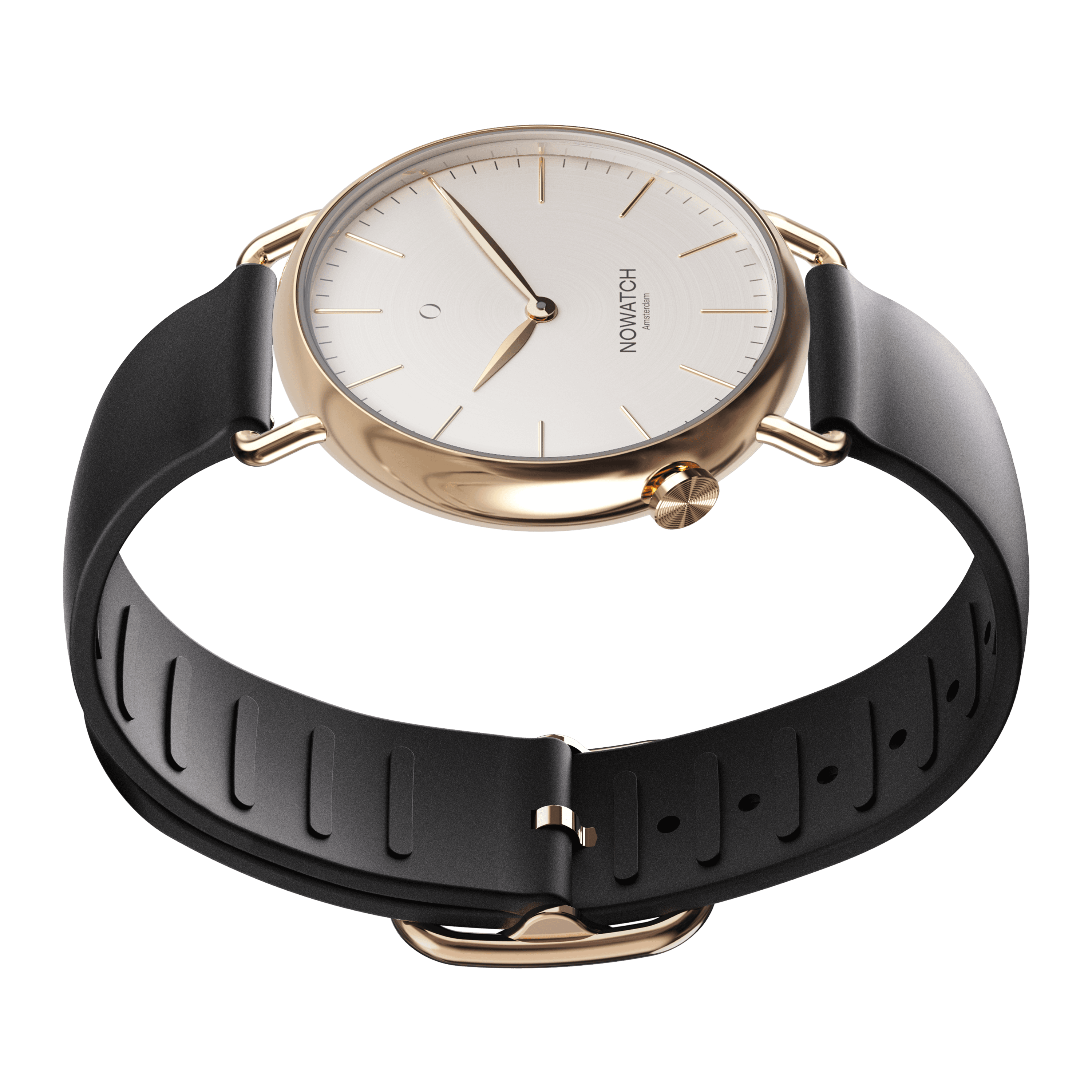
That’s why Polsen Watches track how long you spend in Zone 2 or above instead of focusing on step count. Every day you hit 15 minutes of zone 2 counts as an ‘active day’ and 5 days a week is counted as regular movement.
Starting is often the hardest part
If you're thinking ‘why only 15 minutes’, it's because this is a number you'll actually hit, and hitting it changes what happens next. Regular movement matters more than sporadic bursts of activity. The researchers made this point themselves: a small, obviously manageable target is worth prescribing precisely because people commit to it, and once daily movement becomes routine, most people extend it without deciding to.
In fact, the Taiwan study showed that every additional 15 minutes a day lowered mortality further, by roughly 4% per increment, and people doing 150 minutes a week gained around four years of life expectancy rather than three. The trick to keeping movement regular and longer, is by doing something you enjoy. The study used brisk walking as its example of moderate intensity, but what it measured was effort and duration, the same thing your watch measures. So swim, cycle, dance in your kitchen, jog with the dog, flow through a strong vinyasa, or walk the long way home. The activity you'll repeat beats the sporadic HIIT session every time. On the Polsen app, you’ll see duration alongside regulation too, over time you'll see how quickly you start clearing the minimum without trying to.
The Importance of Zone 2
Zone 2 training specifically has become a staple in the training plans of professional endurance athletes, because it increases aerobic capacity without adding extra stress to the body. But you don’t need to be training for a marathon to benefit from regular Zone 2 activity.
Zone 2 shouldn't be your only training, though. Harder efforts and strength work do things that steady aerobic work can't, and the current evidence favours a mix over any single mode.
The Mental Benefits
Any movement can lift your mood, whether it’s yin yoga or pottering in the garden, so they’re worth doing regardless of your heart rate.
So we’re not saying ditch the yoga or the mental health walks. But getting your heart pumping harder more regularly can help keep your mind and emotions in balance.
How Do I Know When I’m Training Too Much?
Every body responds to training differently, so pay attention to how yours reacts. For instance, some people find that too many high-intensity workouts pushes their stress load up rather than down.
The Reactivity Monitor™ on your Polsen Watch tracks biosignals like heart rate and skin temperature to show your reactivity frequency, recovery time, and cumulative load throughout the day.
If you notice yourself spending more time than usual in increased reactivity, it might be a signal that you’re training too hard. This allows you to adjust your schedule to get the maximum benefits without depleting yourself.
The Link Between Regular Exercise, Stress, & Sleep
Exercise, stress, and sleep all influence each other. A consistent Zone 2 habit can support a healthy, functioning system that’s able to regulate itself. And when your system is well-regulated, your sleep improves.
Polsen watches makes that connection visible. Compared side-by-side, these metrics show how interconnected exercise, stress, and sleep really are.
The Intense Activity view shows how regularly you're hitting Zone 2 and above (Activity Regularity) and how long those sessions run (Activity Duration).
The Reactivity Monitor™ shows how your body is handling your training, showing time spent in Homeostasis versus Heightened Sensitivity, Stress Duration, and Average Recovery.
Your sleep data, including duration, HRV, and times awake, completes the picture. A consistent Zone 2 routine often shows up as better sleep and a body that bounces back faster from daily demands.